
Data is one of the most important resources for any company in the digital age.. Having a website is no longer enough—you need to understand who visits it, how they interact with it, and what actions they take. Google Analytics becomes a crucial tool at this point
If you’ve ever wondered, “What is Google Analytics?”, this article will give you a complete answer. We’ll explore its meaning, features, benefits, latest version (GA4), and how you can use it to grow your online presence.
Introduction to Google Analytics

The internet has completely transformed how people research, shop, and make decisions. For most companies, websites and applications are the very first touchpoints with potential customers. But having a website is only half the battle—the real challenge is understanding how visitors behave once they land on your site.
-
Where do they come from?
-
What pages do they visit?
-
Do they leave quickly, or do they spend time engaging with your content?
-
Which marketing channels bring in the most leads or sales?
To answer these questions, businesses rely on analytics tools. And this is where the question “what is Google Analytics” becomes so important. Google Analytics is the most widely used web analytics platform, giving businesses detailed insights into user behavior and marketing performance.
When you ask, “what is Google Analytics”, the simplest answer is: it’s a free tool that helps you track, analyze, and optimize your online presence. By using it effectively, you can see which strategies drive the most traffic and conversions, and which areas need improvement.
For startups and established companies alike, understanding what is Google Analytics is essential to building data-driven strategies. In fact, among all tools available today, what is Google Analytics is one of the most common questions businesses explore when looking to improve digital performance.
Why Businesses Need Analytics

Imagine running a store without knowing how many people visit, what products they like, or how many purchases they makeIt would be very difficult to expand that compan
y successfully.
The same applies to websites. Without analytics, you’re speculating rather than making well-informed choices. Analytics provides:
Clarity: See what’s happening on your site in real time.
Direction: Know which strategies work and which don’t.
Growth opportunities: Identify areas where you can improve performance.
What is Google Analytics?
Google Analytics is a free web
analytics tool provided by Google that helps website owners and app developers track, measure, and analyze user behavior.
With it, you can monitor:
How many visitors your site gets
Where they come from (search engines, social media, ads, referrals)
What actions they take (clicks, purchases, sign-ups)
How long they stay on your site
What content performs best
In simple terms, Google Analytics gives you a 360-degree view of your website’s performance, empowering you to make smarter decisions.
Key Features of Google Analytics
When businesses ask “what is Google Analytics”, one of the best ways to answer is by exploring its powerful features. Google Analytics is more than just a traffic counter—it’s a complete platform that provides deep insights into user behavior and marketing performance. Some of the most important features of what is Google Analytics include:
-
Real-Time Data – Track user activities on your website as they happen, helping you respond to trends instantly.
-
Audience Insights – Discover demographics, interests, and devices your visitors use, making it easier to tailor content and campaigns.
-
Tracking Traffic Sources – Understand where your visitors are coming from, whether it’s organic search, paid ads, or social media.
-
Behavior Reports – See what people do on your website once they arrive, including the pages they view and how long they stay.
-
Conversion Tracking – Measure key actions such as sales, form submissions, or downloads, giving you a clear picture of success.
-
E-commerce Tracking – Analyze revenue, transactions, and product performance, making it essential for online stores.
-
Custom Dashboards – Create reports that highlight the exact metrics your business cares about.
Ultimately, when you ask “what is Google Analytics”, the answer lies in these features—it’s a tool that helps you measure what matters most. From tracking visitor behavior to optimizing conversions, understanding what is Google Analytics can transform the way startups and businesses grow online.
Difference Between Universal Analytics and GA4
Google launched Google Analytics 4 (GA4) as the new standard in analytics. Here’s how it differs from the old Universal Analytics:
Feature
Universal Analytics
GA4
Data Model
Session-based
Event-based
Cross-Platform Tracking
Limited
Yes (Web + App)
Reporting
Standard
More customizable
Privacy
Less compliant
More privacy-focused
Predictive Insights
No
Yes (AI-powered)
If you’re starting fresh, GA4 is the version you should use.
Benefits of Using Google Analytics
Free of cost – No subscription required.
Data-driven decision making – Replace guesswork with facts.
Marketing optimization – Improve SEO, ads, and social campaigns.
Enhanced user experience – See where users drop off and fix issues.
Revenue growth – Find out what drives conversions and focus there.
How Google Analytics Works
Understanding what is Google Analytics becomes much easier when you look at the process step by step. At its core, Google Analytics collects and processes data to help you make informed decisions about your website and marketing strategies. Here’s a simplified breakdown of how what is Google Analytics works:
-
Add Tracking Code – You start by adding a small JavaScript snippet, also called a tracking code, to your website. This is the first step in using what is Google Analytics to gather visitor data.
-
Data Collection – The tracking code collects information every time a user visits your site, including pages visited, session duration, and user interactions.
-
Data Transmission – This information is sent securely to Google Analytics servers for processing.
-
Report Generation – Google Analytics transforms the raw data into detailed reports that you can view on your dashboard, helping you understand user behavior, traffic sources, and conversions.
By following this simple process, startups and businesses can quickly grasp what is Google Analytics and how to leverage it to improve website performance. Mastering what is Google Analytics is essential for making data-driven decisions that boost growth, engagement, and conversions.
Core Metrics You Can Track
Some common metrics include:
Users – Number of visitors
Sessions – Total visits
Pageviews – Pages viewed
The percentage of people that leave without interacting is known as the “bounce rate.”
Average Session Duration – How long visitors stay
Goal Conversions – Actions completed (purchases, sign-ups, etc.)
Step-by-Step Instructions for Setting Up Google Analytics
.
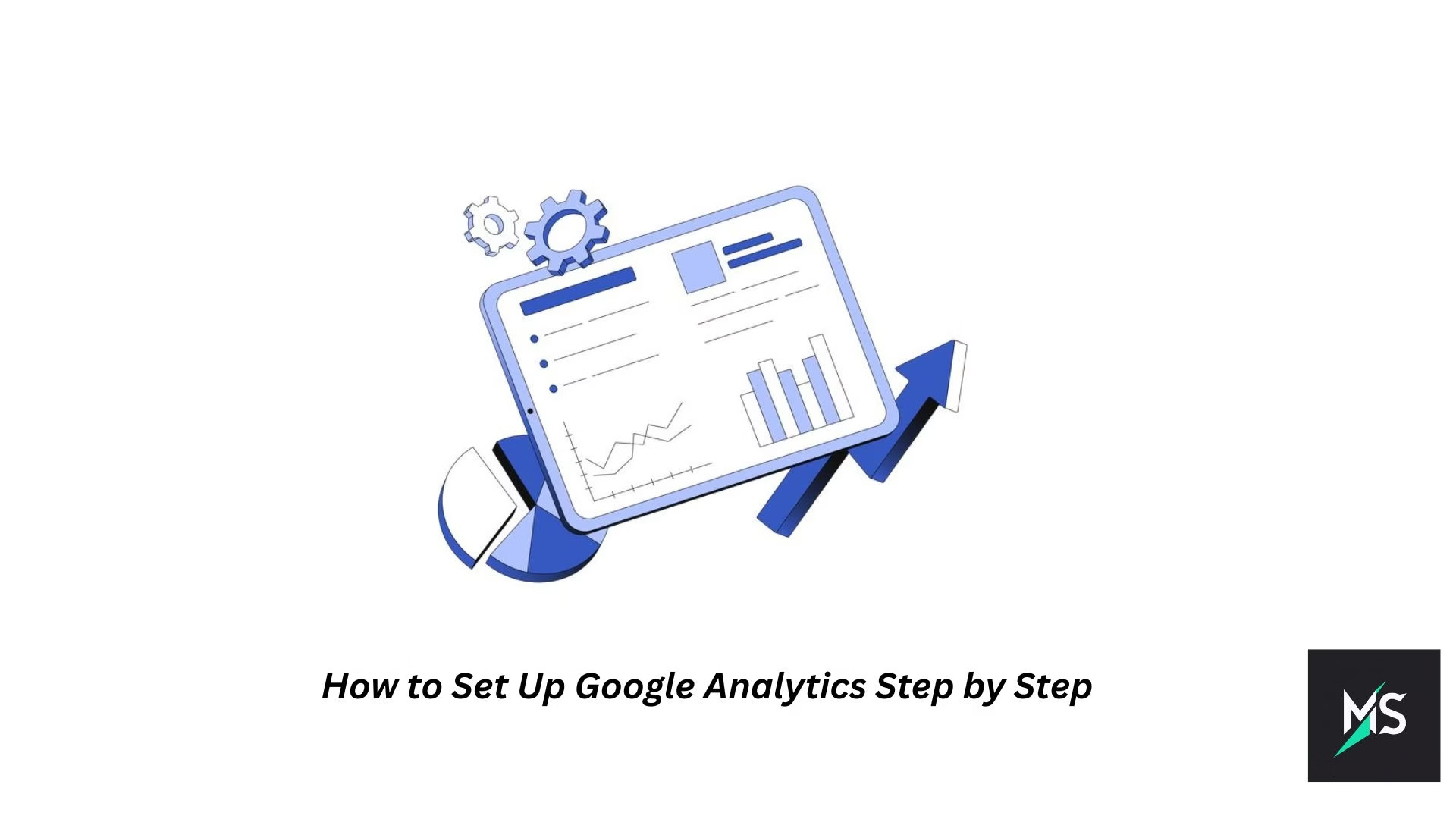
Visit Google Analytics..
Sign in with your Google account.
Create a new property (your website or app
Copy the tracking code provided.
Paste it into your website’s <head> section
Verify data collection in your dashboard.
Common Reports in Google Analytics
Audience Report – Who your users are
Acquisition Report – Where they come from
Behavior Report – What they do on your site
Conversion Report – Whether they complete your goals
Use Cases of Google Analytics
E-commerce businesses – Track sales and customer journeys.
Bloggers – Understand which content attracts the most readers.
Digital marketers – Measure SEO and ad campaign performance.
Startups – Make data-driven decisions without extra costs.
Challenges and Limitations

Can feel overwhelming for beginners
Requires proper setup for accurate data
GA4 has a learning curve compared to Universal Analytics
Data sampling in large reports
Best Practices for Using Google Analytics
Set up Goals and Conversions
Use UTM parameters to track campaigns
Connect Google Analytics with Google Search Console
Regularly check site speed reports
Customize dashboards for quick insights
Advanced Features of Google Analytics
While the basics of Google Analytics help you understand traffic and user behavior, the tool also offers advanced features that can take your insights to the next level:
Custom Events – Track specific actions like button clicks, video plays, or downloads.
Segmentation – Break down your audience by demographics, device type, or traffic source.
Learn how user groups behave over time via cohort analysis.
Attribution Modeling – See which marketing channel deserves credit for conversions.
To find out what people are searching for on your website, use site search tracking.
Enhanced E-commerce Tracking – Monitor detailed shopping behaviors, including cart abandonment and checkout steps.
Real-World Applications of Google Analytics
Here are some practical ways different industries use Google Analytics:
Retail & E-commerce – Track product performance, revenue, and marketing ROI.
Education – Monitor how students use e-learning platforms or university websites.
Travel & Hospitality – Measure bookings, seasonal trends, and visitor locations.
Healthcare – Track how patients navigate appointment booking systems.
Content Creators & Bloggers – Identify top-performing articles and audience demographics.
Integrations with Other Tools
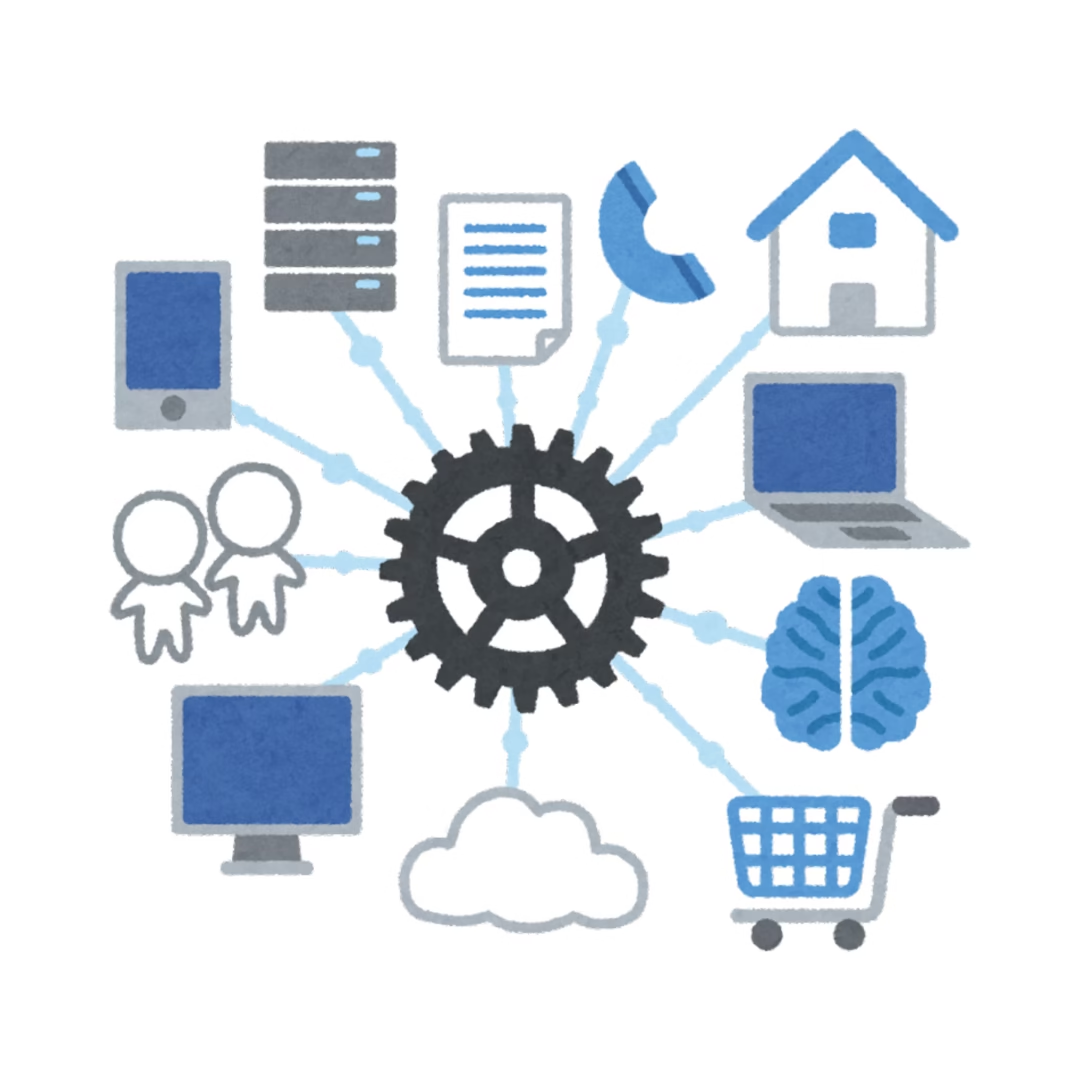
When used in conjunction with other tools, Google Analytics gains even more power:
Google Ads – Track ad performance and ROI.
Google Tag Manager (GTM): Simplify code management and event tracking.
Google Search Console – Understand SEO performance and search queries.
CRM Tools – Sync user data for lead nurturing.
Use Data Studio to create visually appealing dashboards (Looker Studio).
Common Mistakes to Avoid
Even though Google Analytics is powerful, many businesses make mistakes that affect accuracy:
Not setting up Goals or Conversions
Not removing internal traffic (your own visitors) from the filter
Ignoring mobile performance data
Relying only on surface metrics (like pageviews) without deeper analysis
Not upgrading from Universal Analytics to GA4
The Future of Google Analytics

The world of analytics is shifting because of privacy laws (like GDPR, CCPA) and cookie restrictions. Google Analytics is adapting by:
Moving to event-based tracking in GA4
Offering AI-driven insights (predictive metrics like purchase probability)
Providing better cross-device tracking
Focusing on first-party data rather than third-party cookies
Practical Examples of Google Analytics in Action

To truly understand the value of what is Google Analytics, it helps to look at real-world examples of how businesses use it to make smarter decisions:
-
A Clothing Brand – By analyzing its Acquisition Report, the brand discovers that Instagram ads generate more conversions than Google Ads. Understanding what is Google Analytics allows them to shift budget to the most effective platform, maximizing ROI.
-
A Blogger – Using Behavior Reports, a blogger sees that tutorials attract 3x more traffic than opinion posts. By applying insights from what is Google Analytics, they focus on producing more tutorials, increasing readership and engagement.
-
An E-commerce Store – Through Enhanced E-commerce Tracking, the store identifies that many users abandon carts during checkout. Leveraging what is Google Analytics, they streamline the checkout process, reducing cart abandonment by 20%.
-
An Educational Institute – Using Audience Insights, they discover that most users access their site via mobile devices. Applying lessons from what is Google Analytics, they invest in mobile-friendly design, boosting engagement and sign-ups.
- These examples illustrate how understanding what is Google Analytics empowers businesses to make data-driven decisions that improve traffic, engagement, and conversions.
Why Every Business Should Use Google Analytics
Whether you run a small bakery, a tech startup, or a global e-commerce site, Google Analytics helps you answer the most important business questions:
Who are my customers?
How do they find me?
What keeps them engaged?
What drives them away?
How can I increase sales, sign-ups, or brand awareness?
Without analytics, your decisions are based on assumptions. With Google Analytics, your choices are backed by real numbers and insights.
These examples show how data-driven decisions can lead to measurable growth.
Tips for Beginners Using Google Analytics
Start with clear goals – Decide what success means for your website (sales, sign-ups, downloads).
Check reports regularly – Make it a habit to review data weekly, not just when there’s a problem.
Use custom dashboards – Create a personalized view showing only the metrics that matter to your business.
Segment your audience – Don’t just look at overall traffic. Break it down by location, device, or source.
Learn GA4 as soon as possible. To keep ahead, concentrate on GA4 since Universal Analytics is no longer supported.
How Google Analytics Helps Different Teams
Google Analytics isn’t just for marketers—it benefits multiple teams across an organization:
Marketing Teams: Measure campaign ROI, track conversions, optimize channels.
Sales Teams: Understand lead quality, follow up with warm prospects, and improve conversion funnels.
Content Teams: See which blogs, videos, or resources resonate most with audiences.
Design & UX Teams: Identify high-exit pages or areas where users drop off.
Leadership: Use executive dashboards to make strategic decisions based on facts.
By offering insights for everyone, Google Analytics becomes a company-wide growth enabler.
Google Analytics for SEO
Google Analytics is a key tool used by SEO specialists to gauge organic performance.. You can use it to:
Keep track of the landing pages that generate the most natural traffic..
See what keywords (via Search Console integration) drive clicks.
Monitor bounce rates from search visitors.
Understand mobile vs. desktop search behavior.
To modify your content calendar, determine seasonal search trends.
This makes GA a powerful partner for long-term SEO strategy.
Google Analytics for Paid Marketing
If you run Google Ads, Facebook Ads, or LinkedIn Ads, integrating them with Google Analytics is a must. With GA, you can:
Measure ad clicks vs. actual conversions.
Compare the cost-per-acquisition across different platforms.
Understand post-click behavior (did visitors bounce or engage?).
To determine which channels have the biggest impact on conversions, use attribution models.
For example, a customer might click your Facebook ad first but purchase later through Google search. GA helps you credit both touchpoints fairly.
Google Analytics and Customer Journey Mapping

Customer journeys are rarely linear—they often involve multiple touchpoints like ads, social media, emails, and search. Google Analytics helps you:
Visualize customer paths with the Behavior Flow report.
View the conversion funnel’s dropoff points for users..
Identify which touchpoints are most valuable at awareness, consideration, and decision stages.
This information allows you to optimize campaigns for every stage of the funnel, improving overall customer experience.
The Role of Privacy in Google Analytics

With increasing global privacy laws (GDPR in Europe, CCPA in California), analytics must balance data collection with compliance. GA4 was built with this in mind:
Better cookie-less tracking options.
Data retention settings.
IP anonymization.
Consent mode integration.
Businesses using Google Analytics can remain compliant while still gathering valuable insights.
Alternatives to Google Analytics

While GA is the most popular, some businesses prefer alternatives. Competitors include:
Matomo (Piwik): Open-source, privacy-first analytics.
Adobe Analytics: Enterprise-level tool with advanced segmentation.
Mixpanel: Strong in product analytics and event tracking.
Heap: Automatic event tracking without manual setup.
However, Google Analytics remains the most cost-effective and widely supported tool.
Final Thoughts

So, what is Google Analytics?IIt is your business partner in the digital sphere, not just a tool.. By tracking user behavior, analyzing marketing performance, and highlighting opportunities, Google Analytics gives you the power to make smart, data-driven decisions.
Whether you’re a small business owner, a blogger, or a large enterprise, Google Analytics can help you grow online by showing you exactly what’s working and what needs improvement.
If you haven’t set it up yet, now is the perfect time to start. After all, what gets measured, gets improved.
foe more blog vist