
digital marketing strategies for startups

Introduction
Starting a business is thrilling—new ideas, new markets, and endless possibilities. But here’s the reality: even the most innovative startup won’t succeed if no one knows it exists. That’s where digital marketing strategies for startups play a vital role.
Unlike traditional marketing, digital marketing strategies for startups provide affordable ways to reach potential customers, track performance in real time, and scale quickly. For founders juggling limited budgets, small teams, and fierce competition, implementing the right digital marketing strategies for startups can make the difference between failure and sustainable growth.
In this guide, we’ll explore 15 powerful digital marketing strategies for startups—from SEO to social media, content creation to paid ads—that are not only cost-effective but also proven to deliver results in 2025.
Why Digital Marketing Strategies for Startups Matte
Startups often enter industries dominated by big players with deeper pockets and established reputations. Competing on the same marketing battlefield can feel overwhelming. Nonetheless, the right digital marketing strategies for startups create unique opportunities to stand out and grow.
-
Level the Playing Field: With smart SEO tactics and quality content, even small businesses can outrank larger competitors. The right digital marketing strategies for startups ensure visibility in competitive markets.
-
Build Credibility Quickly: Social proof, customer reviews, and consistent content marketing help establish authority. Strong digital marketing strategies for startups make it easier to gain trust in new markets.
-
Reach Highly Targeted Audiences: Unlike TV or print ads, digital platforms let startups connect with specific demographics, interests, and locations. Tailored digital marketing strategies for startups guarantee that every message reaches the right people.
-
Maximize ROI on Small Budgets: By focusing on content marketing, SEO, and organic social growth, startups can generate exponential returns with limited resources.
Without a strong online presence, startups risk invisibility. But with well-planned digital marketing strategies for startups, they can disrupt industries, attract investors, and build loyal customer bases.
Key Challenges Startups Face in Marketing
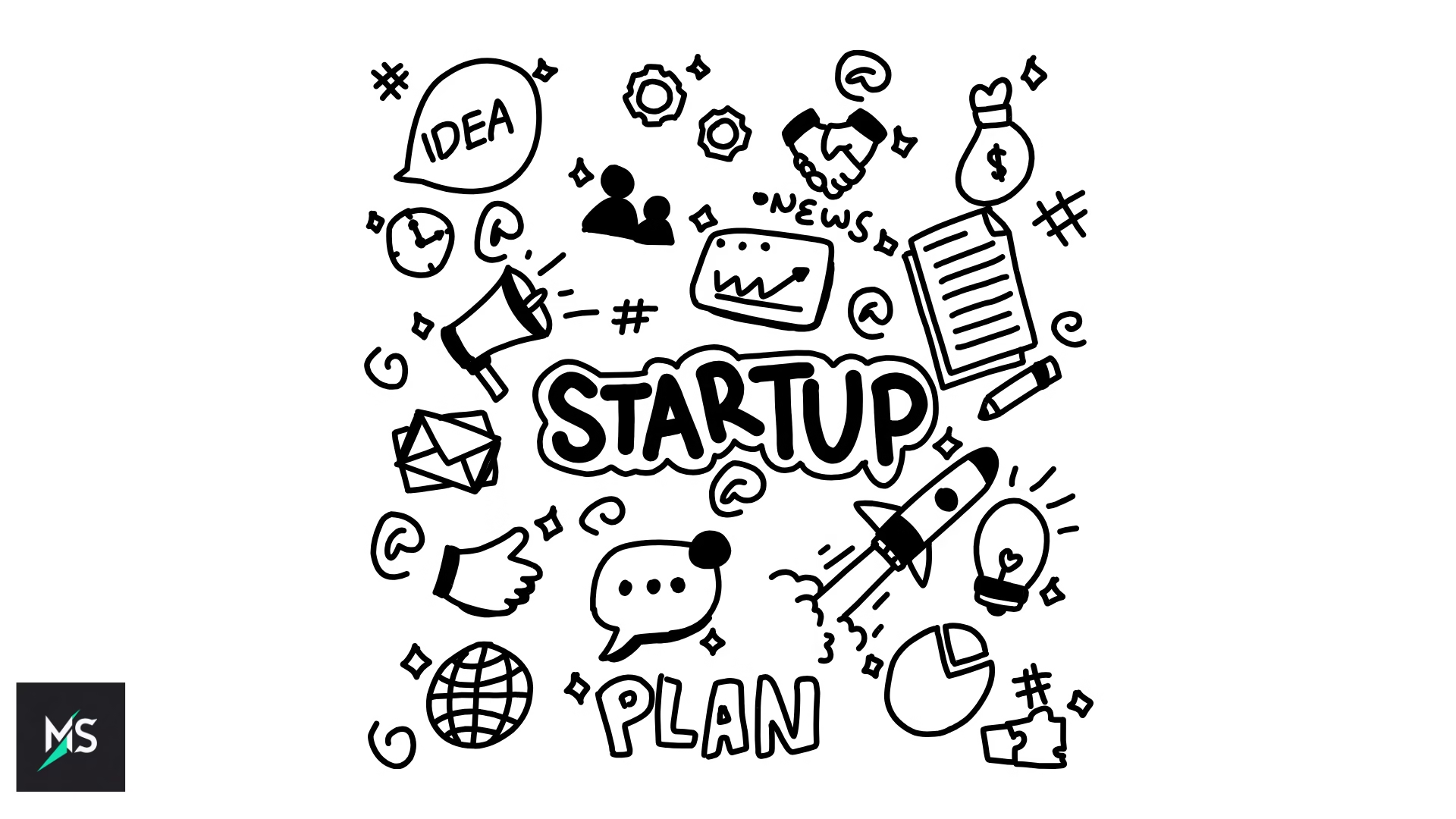
Building an Online Presence from Scratch

For startups, building an online presence isn’t just about creating a website and a few social media profiles—it’s about establishing a digital identity that resonates with your target audience. In today’s hyperconnected world, customers research businesses online before engaging. If your startup doesn’t show up in those searches, you may as well be invisible. This is why strong digital marketing strategies for startups are crucial from day one.
The first step is developing a professional website. Your site acts as your online storefront and often shapes the first impression customers form of your business. A poorly designed site with slow loading speeds and confusing navigation can instantly drive potential clients away. Instead, focus on a clean, responsive, and mobile-friendly design that reflects your brand identity. Use compelling visuals, easy-to-read fonts, and strategically placed calls-to-action (CTAs) to guide visitors toward conversions—whether that’s making a purchase, booking a demo, or subscribing to a newsletter. An effective website is the foundation of all digital marketing strategies for startups.
Next, make sure your website clearly communicates your value proposition. Many startups fall into the trap of emphasizing product features rather than customer benefits. Instead, highlight the problems you solve and the positive outcomes customers will experience. Remember, when it comes to turning strangers into paying customers, clarity beats complexity. This principle should guide every aspect of your digital marketing strategies for startups.
Another vital component of online presence is branding consistency. From your website to social media channels and email newsletters, use the same colors, fonts, and tone of voice. Consistency builds familiarity and trust—two qualities that are essential for long-term customer relationships. Successful digital marketing strategies for startups rely heavily on a strong and consistent brand identity.
Don’t overlook Google Business Profile (GBP), especially if your startup serves a local audience. An optimized GBP listing ensures visibility in local searches and Google Maps results. Include accurate business details, high-quality photos, opening hours, and encourage customer reviews. This small but powerful tactic adds credibility and drives both online and offline engagement.
Additionally, embrace social proof early. Testimonials, reviews, and case studies (even small wins) go a long way in persuading potential customers. People are far more likely to trust your brand when they see others already benefiting from it. Incorporating social proof into your digital marketing strategies for startups helps build credibility faster.
Finally, focus on your content footprint. Launch a blog, create YouTube tutorials, or publish thought-leadership posts on LinkedIn. The earlier you start sharing useful, relevant, and engaging content, the sooner you’ll be recognized as a trusted voice in your industry. Content marketing is one of the most cost-effective yet powerful digital marketing strategies for startups, helping you attract, educate, and convert customers over time.
Setting Clear and Measurable Marketing Goals
Leveraging Social Media for Startup Growth

Social media is a powerhouse for startups—both in terms of reach and engagement. With billions of active users worldwide, platforms like Instagram, LinkedIn, TikTok, Twitter (X), and Facebook allow startups to showcase their products, engage directly with customers, and even drive sales without heavy advertising budgets.
However, many startups spread themselves too thin by trying to be on every platform at once. This often leads to inconsistent posting, poor engagement, and burnout. Instead, focus on 2–3 platforms where your target audience spends most of their time. For B2B startups, LinkedIn and Twitter are goldmines. For consumer-focused products, Instagram, TikTok, and Facebook often deliver better results.
The key to social media success isn’t just posting frequently—it’s posting strategically.Content should benefit followers and be consistent with your brand message.. Mix educational posts (tips, how-to guides) with engaging content (polls, behind-the-scenes stories, memes) and promotional content (product launches, special offers).
Don’t underestimate the power of community building. Reply to comments, engage in conversations, and encourage user-generated content. Customers love when brands treat them like partners, not just numbers. For example, reposting a customer photo or sharing their testimonial can build loyalty and encourage more people to engage with your brand.
Another valuable social media strategy is leveraging social listening tools. Tools like Hootsuite, Sprout Social, or even free Google Alerts allow startups to monitor brand mentions, competitor activity, and trending topics. This helps startups respond quickly, join relevant conversations, and stay ahead of industry shifts.
And yes, paid social media ads can be effective when used carefully. Even a small budget of $200–$500 per month can drive traffic, leads, and conversions if targeted well. Social platforms allow precise targeting based on demographics, interests, behaviors, and even lookalike audiences.
Choosing the Right Platforms for Your Target Audience

Not every social media platform is created equal, and not every startup needs to be everywhere. One of the biggest mistakes young companies make is chasing every new trend without understanding where their customers actually spend time. Choosing the right platforms is about quality over quantity—you’ll see far better results by being excellent on two or three platforms than average on six.
For example:
LinkedIn is the preferred site for B2B startups looking to network, generate leads, and establish professional authority. Connecting with industry experts and sharing thought leadership are two further benefits of Twitter (X).
B2C Startups: Instagram, TikTok, and YouTube dominate when it comes to product promotion, lifestyle content, and building brand identity.
Local Startups: Facebook and Google Business Profile are crucial, as they help capture local customers searching for nearby solutions.
Once you’ve identified the right platforms, focus on native content. A TikTok video won’t perform the same on LinkedIn. Tailor your posts to the culture of each platform while maintaining a consistent brand voice.
Harnessing the Power of SEO for Startups
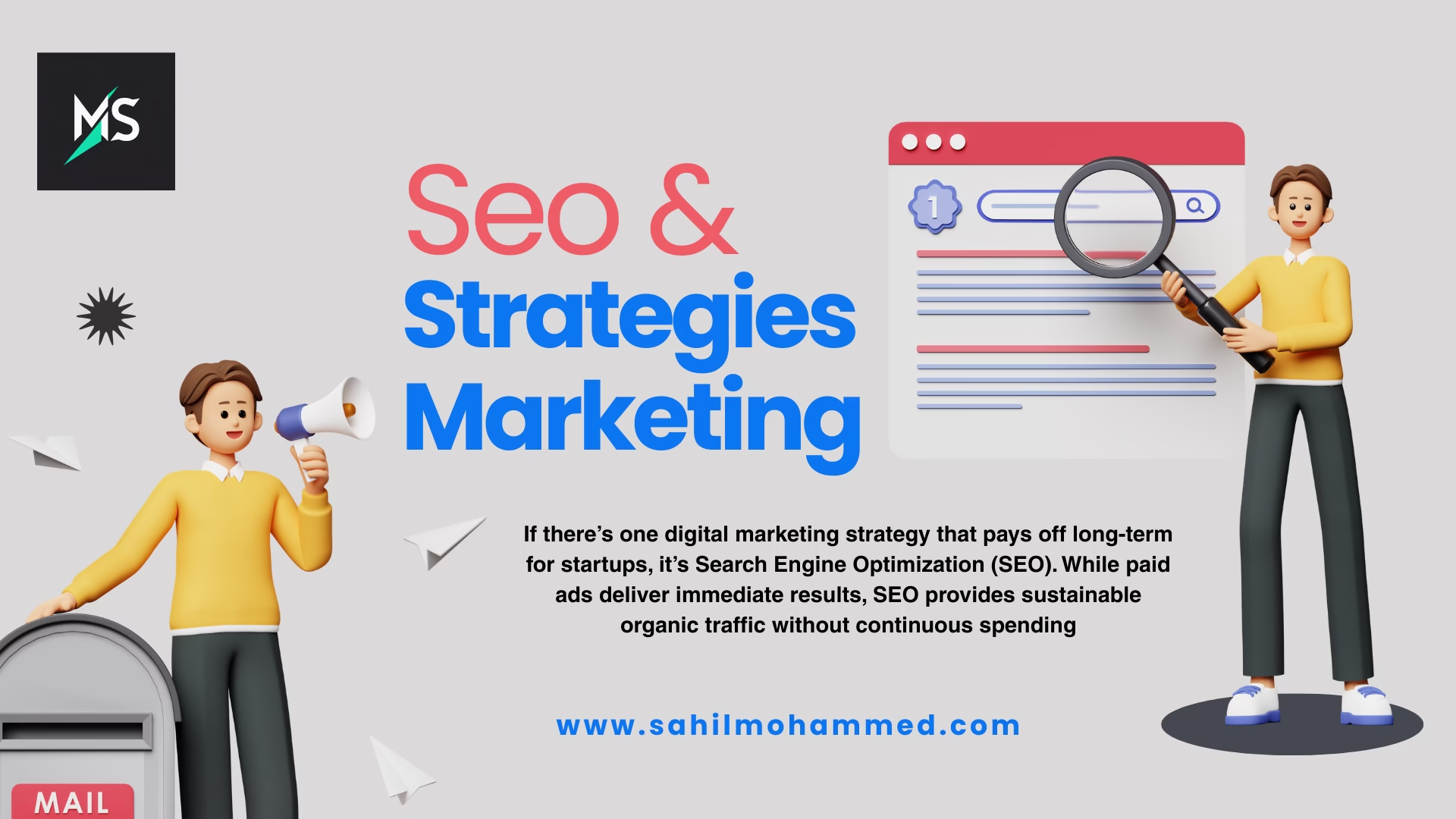
If there’s one digital marketing strategy that pays off long-term for startups, it’s Search Engine Optimization (SEO). While paid ads deliver immediate results, SEO provides sustainable organic traffic without continuous spending.
Startups can leverage SEO by:
Keyword Research: Use tools like Ubersuggest, SEMrush, or even Google Keyword Planner to find medium-tail keywords with moderate competition. For example, instead of competing for “digital marketing,” go after “digital marketing strategies for startups” or “affordable seo tips for new businesses.”
On-Page Optimization: Ensure that each webpage is optimized with proper meta titles, descriptions, header tags, and keywords in natural places. Don’t forget alt text for images, internal linking, and a clear site structure.
Content Depth: Google rewards quality. Instead of short, generic blogs, create long-form, well-researched content that actually solves problems. Articles like “Ultimate Guide to Startup Marketing in 2025” can rank for multiple keywords.
Mobile-First and Speed Optimization: With most traffic coming from mobile, startups must ensure their websites load in under three seconds. Use tools like Google PageSpeed Insights to check performance.
Link Building: Build authority by guest posting on industry blogs, collaborating with influencers, and listing your business in credible directories. Even small wins here can boost your domain authority.
SEO isn’t an overnight success—it’s a marathon. But startups that start optimizing early can dominate search rankings within 6–12 months, reducing dependency on paid advertising.
Content Marketing: The Startup Growth Engine
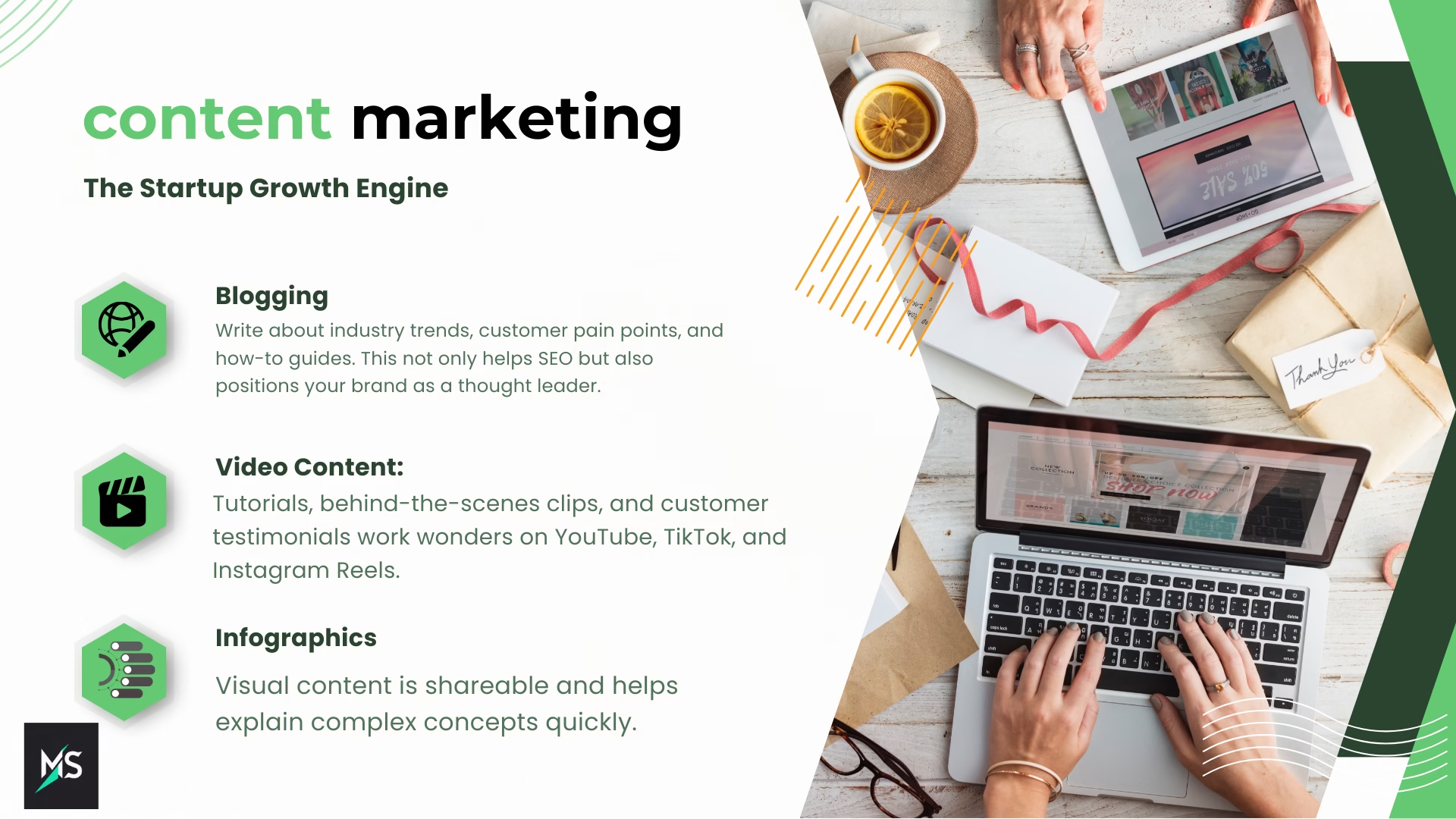
Never has the adage “Content is King” been more accurate.. For startups, content marketing is a cost-effective way to build trust, attract leads, and establish industry authority. Instead of pushing sales messages, content marketing focuses on educating and engaging audiences.
Types of content startups can use:
Blogging: Write about industry trends, customer pain points, and how-to guides. In addition to improving SEO, this establishes your brand as an authority.
Video Content: Tutorials, behind-the-scenes clips, and customer testimonials work wonders on YouTube, TikTok, and Instagram Reels.
Infographics: Visual content is shareable and helps explain complex concepts quickly.
Case Studies & Whitepapers: These are powerful for B2B startups targeting professional clients.
The magic of content marketing lies in consistency.Periodically publishing won’t suffice.. Develop a content calendar and stick to it. For example, releasing two blogs per week, one video per month, and daily social posts can quickly build momentum.
Creating Evergreen Content for Consistency

While trending topics may give a short burst of traffic, evergreen content continues to generate visitors long after it’s published. For startups, this is critical because it provides a steady flow of leads without constant effort or ad spend. That’s why including evergreen content is one of the smartest digital marketing strategies for startups.
Examples of evergreen content include:
-
“How-to” Guides (e.g., How to Create a Digital Marketing Plan for Startups)
-
Lists and Checklists (e.g., 10 Tools Every Startup Should Use in 2025)
-
Tutorials and Beginner’s Guides (e.g., SEO Basics for Founders)
-
Industry FAQs (e.g., What is Growth Hacking and How Does It Help Startups?)
By building a library of evergreen assets, startups create content that is accessible 24/7. Imagine publishing 50 high-quality evergreen blogs—each generating 100–200 visits per month. That’s 5,000–10,000 free visits every month without paying for ads. This kind of long-term, compounding value is what makes evergreen content a cornerstone of effective digital marketing strategies for startups.
Evergreen content not only drives consistent traffic but also strengthens authority, builds trust, and nurtures leads over time. Startups that invest in this approach find it easier to scale sustainably because their digital marketing strategies for startups work around the clock, even when their marketing teams are offline.
Using Video Marketing to Stand Out
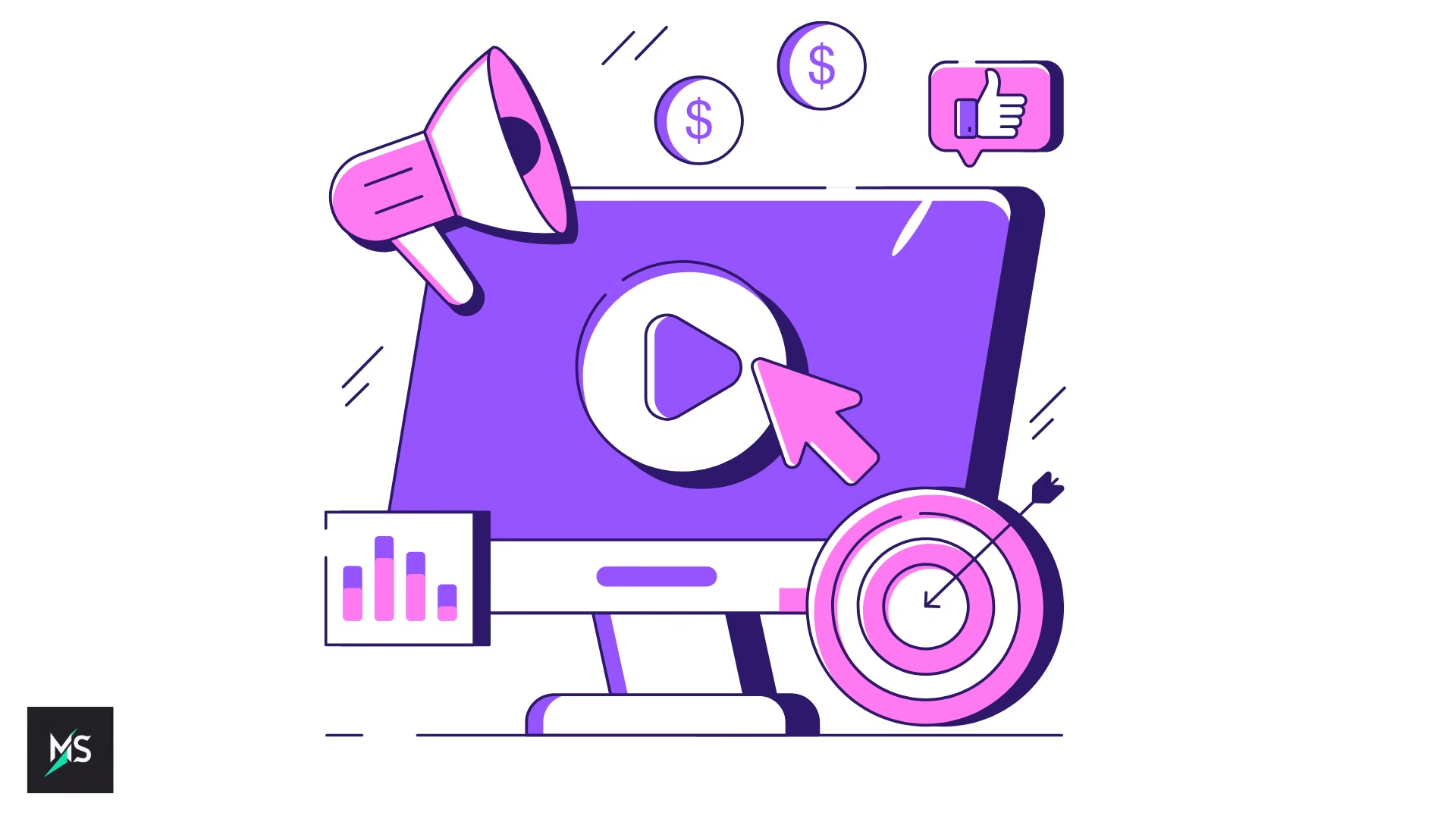
Video has become an essential component of all digital marketing strategies for startups. Studies show that consumers are 64% more likely to purchase a product after watching a video about it. For startups, this creates a powerful opportunity to connect with audiences both emotionally and visually.
Effective video marketing can take many forms, and each can play a crucial role in digital marketing strategies for startups:
-
Explainer Videos – Short clips that clearly explain what your product does and why it matters. Perfect for landing pages and email campaigns.
-
Customer Testimonials – Real customers sharing how your solution changed their lives, building instant trust and credibility.
-
Behind-the-Scenes Content – Showcase the people, processes, and passion behind your startup to humanize your brand.
-
Educational Content – Tutorials, tips, and how-to videos establish authority while offering genuine value to your audience.
Platforms like YouTube, TikTok, and Instagram Reels allow startups to reach massive audiences with creative, low-budget videos. The best part? You don’t need expensive equipment—a smartphone and basic editing tools are enough to create high-quality content. When consistently integrated, video marketing becomes one of the most impactful digital marketing strategies for startups, helping boost awareness, engagement, and conversions.
By embracing video early, you can build stronger customer relationships and ensure your digital marketing strategies for startups stand out in an increasingly competitive digital world.
Influencer Marketing for Startups
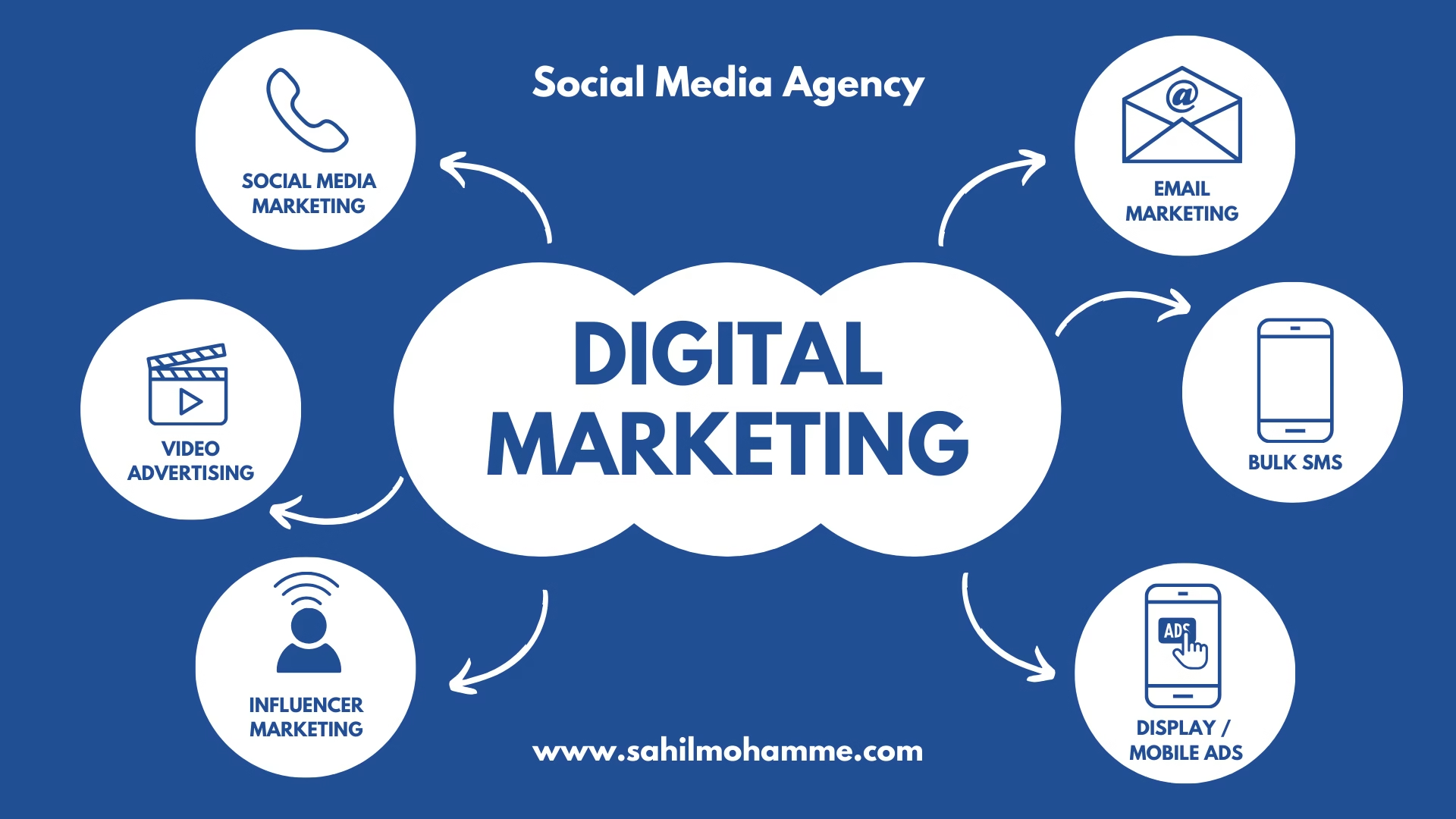
Influencer marketing is no longer reserved for big brands—it has become one of the most effective and affordable digital marketing strategies for startups. By partnering with influencers in your niche, you can instantly tap into an existing audience, build trust, and gain visibility far more quickly than traditional methods.
For startups, micro-influencers (those with 5,000–50,000 followers) often deliver better results than celebrity influencers. They charge less, generate higher engagement, and maintain more authentic relationships with their communities. This makes influencer partnerships a practical choice within digital marketing strategies for startups, especially for those working with tight budgets.
Example: A startup offering eco-friendly skincare products could collaborate with micro-influencers in the sustainability niche. Since these influencers already attract followers interested in eco-friendly solutions, the campaign becomes highly targeted and effective. This kind of collaboration shows how influencer marketing can seamlessly fit into broader digital marketing strategies for startups.
Influencer partnerships can take various forms, depending on your goals:
-
Sponsored posts to showcase your product to a wider audience.
-
Product reviews that provide authentic testimonials.
-
Giveaways and contests to boost engagement and brand awareness.
-
Affiliate partnerships to drive sales and reward performance.
When executed thoughtfully, influencer collaborations strengthen your brand presence, drive customer trust, and become a core part of sustainable digital marketing strategies for startups.
Conclusion: Building a Sustainable Growth Engine with Digital Marketing
For startups, the journey from idea to industry disruptor is never easy. Limited resources, high competition, and the pressure to prove value quickly can feel overwhelming. But as we’ve explored throughout this guide, digital marketing strategies for startups are not just optional—they are the foundation of survival and growth.
From building an online presence and leveraging SEO, to harnessing social media, content, and influencer partnerships, startups have an arsenal of cost-effective tools at their disposal. The key isn’t to do everything at once—it’s to start small, remain consistent, and scale what works best.
Remember:
Clarity beats complexity – Your messaging should always be customer-centric and solution-driven.
Consistency drives trust – Whether in social media posting, blogging, or email outreach, show up regularly.
Data guides growth – Track performance, analyze results, and pivot quickly when strategies underperform.
Agility is your advantage – Unlike big corporations, startups can test, learn, and innovate faster.
By embracing the right digital marketing strategies early, startups can not only level the playing field against larger competitors but also build meaningful, lasting relationships with customers.
The digital world is crowded, but opportunities have never been greater. With the right mix of creativity, strategy, and persistence, your startup can turn clicks into customers, and customers into loyal brand advocates.
for more blog vist